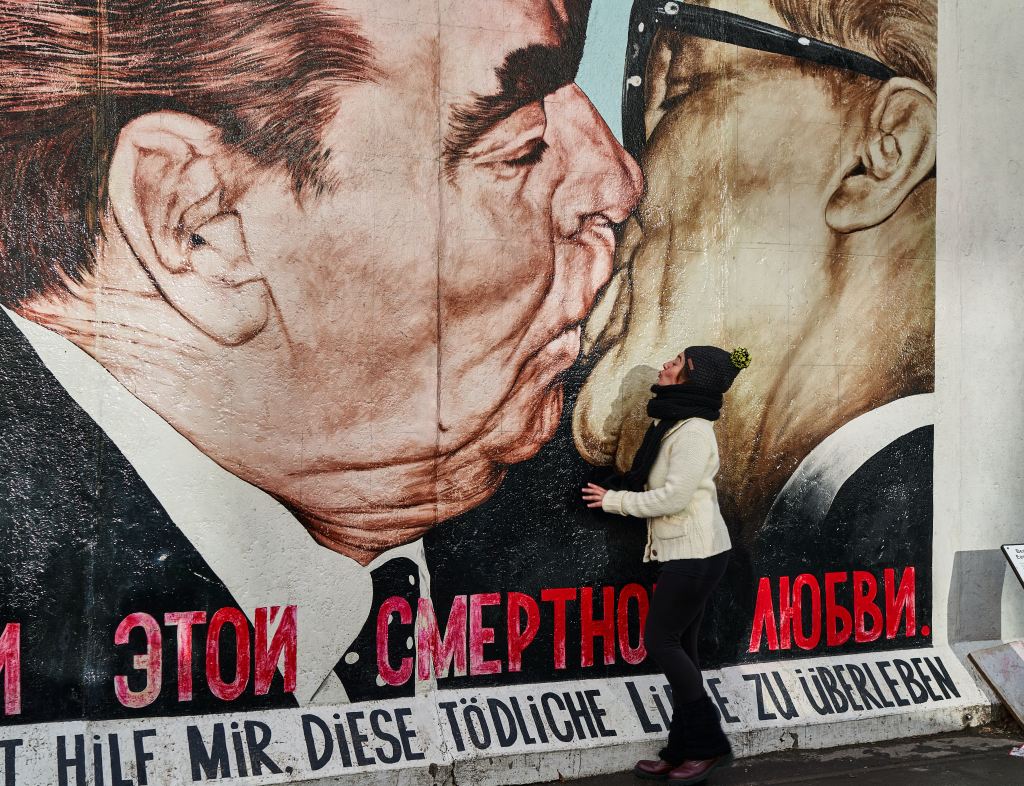
Photo by Norbert Braun on Unsplash
Representations matter in foreign policymaking. How an actor is represented, or wishes to be represented, influences its actions. Desire to cultivate a certain image of the Self, to be recognised in a particular way, is driven by a feeling of disrespect that manifests through misrecognition. Analyses of representations provide critical purchase for understanding international conflict, because misrecognition is emotionally powerful. It can create feelings of disrespect that underlie foreign policy crises. In this conclusion the main claims of this book are revisited and a brief consideration of the enduring power of representation and recognition in world politics is provided.
My research on recognition dynamics aims to provide insight into how representations of one state by another influence foreign policymaking behaviour, with a particular emphasis on the reciprocal representations of the United States and Iran and disagreements about Iran’s nuclear program.
I am extending this research to include reflections on the visual politics of this process, by examining digital images published alongside high-level diplomatic summits.
 Constance Duncombe