The Visual Politics of Recognition: Understanding the Role of Images in Recognition Encounters
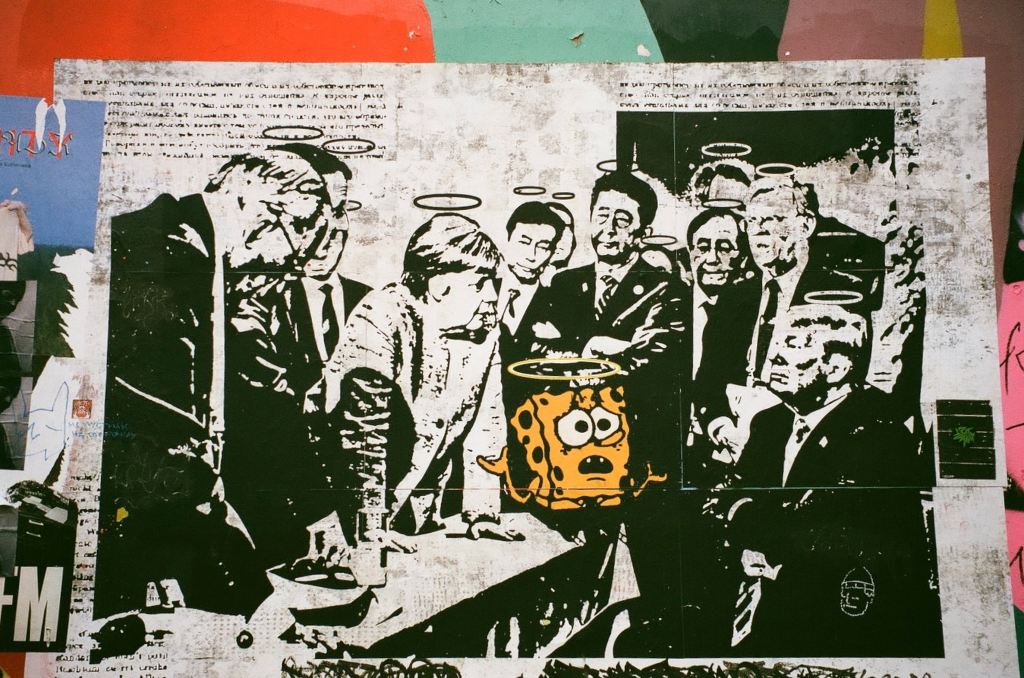
Photo by diana kereselidze on Unsplash
Images are an important component of recognition between states: official photographs of high-level summit meetings, or images tweeted by state representatives, are used to visualise positive or negative interstate relationships that reflect, or challenge, established recognition dynamics. Despite the political importance of recognition, we know very little about the visual politics of this process in international relations.
The purpose of the VISUAL project is to take the field a step further through the development of an innovative and original typology for the visual politics of recognition. In VISUAL there is a unique opportunity to advance our knowledge of the role images play in global politics.
Using a theoretically-driven, exploratory analytical methodology employing a mixed-methods approach, VISUAL theorizes and conceptualises successful and failed recognition by situating images within a process we know is politically significant: EU, NATO and G7 summit meetings, and the acrimonious Iran-US and Ukraine-Russia relationships. VISUAL furthermore explores the role of gender in the visual politics of recognition, developing a feminist visual methodology applicable for work in International Relations.
VISUAL addresses three main research questions across three sub-studies:
1) What are the visual modalities of recognition, successful and failed?
2) How are rival interpretations of recognition in acrimonious relationships visualised?
3) How are gender norms reproduced or challenged in images signifying successful or failed recognition?
VISUAL has received funding from the European Union’s Horizon 2020 research and innovation program under the Marie Skłodowska-Curie grant agreement No 838856. It runs from 2022-2024.
The first article based on the project findings is available below:
 Constance Duncombe